EXPLAINING THE STRUGGLE FOR HUMAN RIGHTS IN RUSSIA |
|
|
Hello and welcome to the Digest. |
Today’s Dissident Digest was coauthored with Memorial. You might be reading this because you are on Memorial’s mailing lists. In that case feel free to subscribe to the Dissident Digest, OVD-Info’s English newsletter bringing you top analysis and human stories from the dark world of Russian repressions. |
To our regular subscribers — welcome back! After a bit of restructuring we have decided that the Digest will come out once or twice every month. Hopefully we will be able to use this time to improve its quality. We are also looking to further grow our audience, so if you can, please share the newsletter so more people can see it, we’d be very appreciative. |
In solidarity, Dan Storyev, OVD-Info & Inna Bondarenko, Memorial |
|
|
Donate to OVD-Info to keep us running |
|
|
Trigger warning:
This is a newsletter about Russian repressions. Sometimes it will be hard to read. |
|
|
There is a certain horror to Stalinist repression because the mind buckles after trying to comprehend a certain number of atrocities. We can conceptualise the death of two, three, maybe a hundred people. But imagining the deaths of millions is difficult. Even just imagining a million people at once is very hard. Our minds are not made for this. The horrors of Stalinism, while made up of myriads of individual fates, on the whole, are as unfathomable as Lovecraftian monsters. They are the result of an enormous machinery of terror, which operated with an inhuman logic of its own.
|
This indescribability made it all the more difficult to combat repressions, and makes conceptualising them challenging to this day. And conceptualising and processing the legacy of Stalinism is of paramount importance especially today. The Kremlin is hard at work at rehabilitating Stalin’s image as that of an “effective manager” who had to do what was necessary in order to bring Russia into modernity and forge it into a nuclear power.
|
|
|
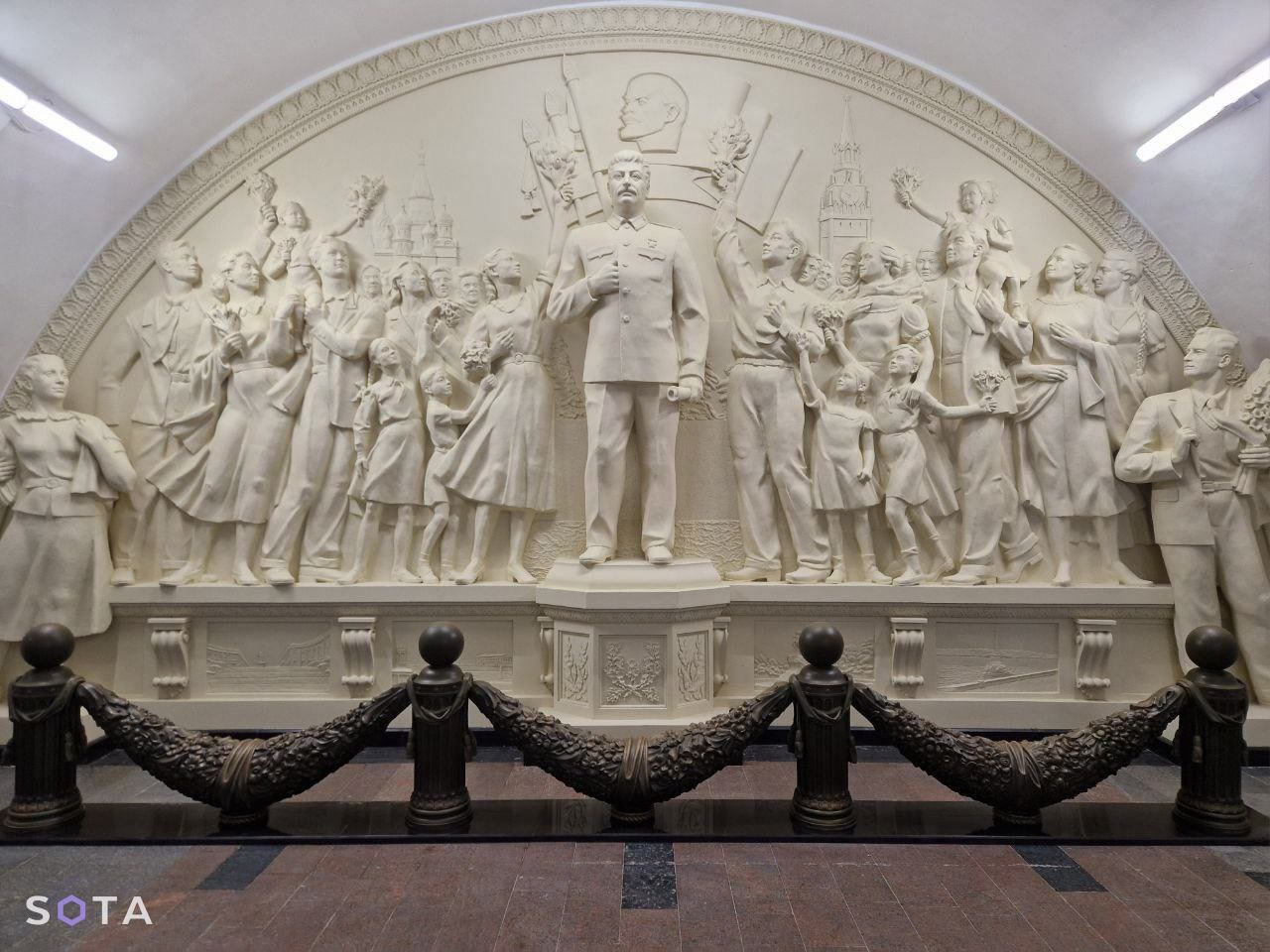
Restored Stalin sculpture in the Moscow metro / Photo: SOTA |
|
|
A big part of the pro-Stalin narrative is the whitewashing of his repressions. Here the Kremlin has been fighting an uphill battle for some time. First of all, the Soviets themselves began the process of de-Stalinization shortly after the tyrant’s death. Khrushchev’s reforms left much to be desired but there was certainly a general understanding within the Soviet government that mass repressions on a biblical scale were not a good model. Between the time of Khrushchev and the fall of the Soviet Union, the Soviet government ended up rehabilitating hundreds of thousands of innocent victims, many of them posthumously. The post-1991 Russian government rehabilitated even more. Putin’s forces recently reversed this trend, posthumously de-rehabilitating some of the repressed people. The Kremlin also actively downplays Stalin’s repressions, trying to degrade the death to irrelevant numbers in the footnotes of history.
|
|
|
This is what makes Memorial’s initiative of Returning the Names all the more important. We have already covered this initiative in a previous Digest but it is worth coming back to. Memorial itself is a Nobel-winning human rights defense movement founded back in 1987. |
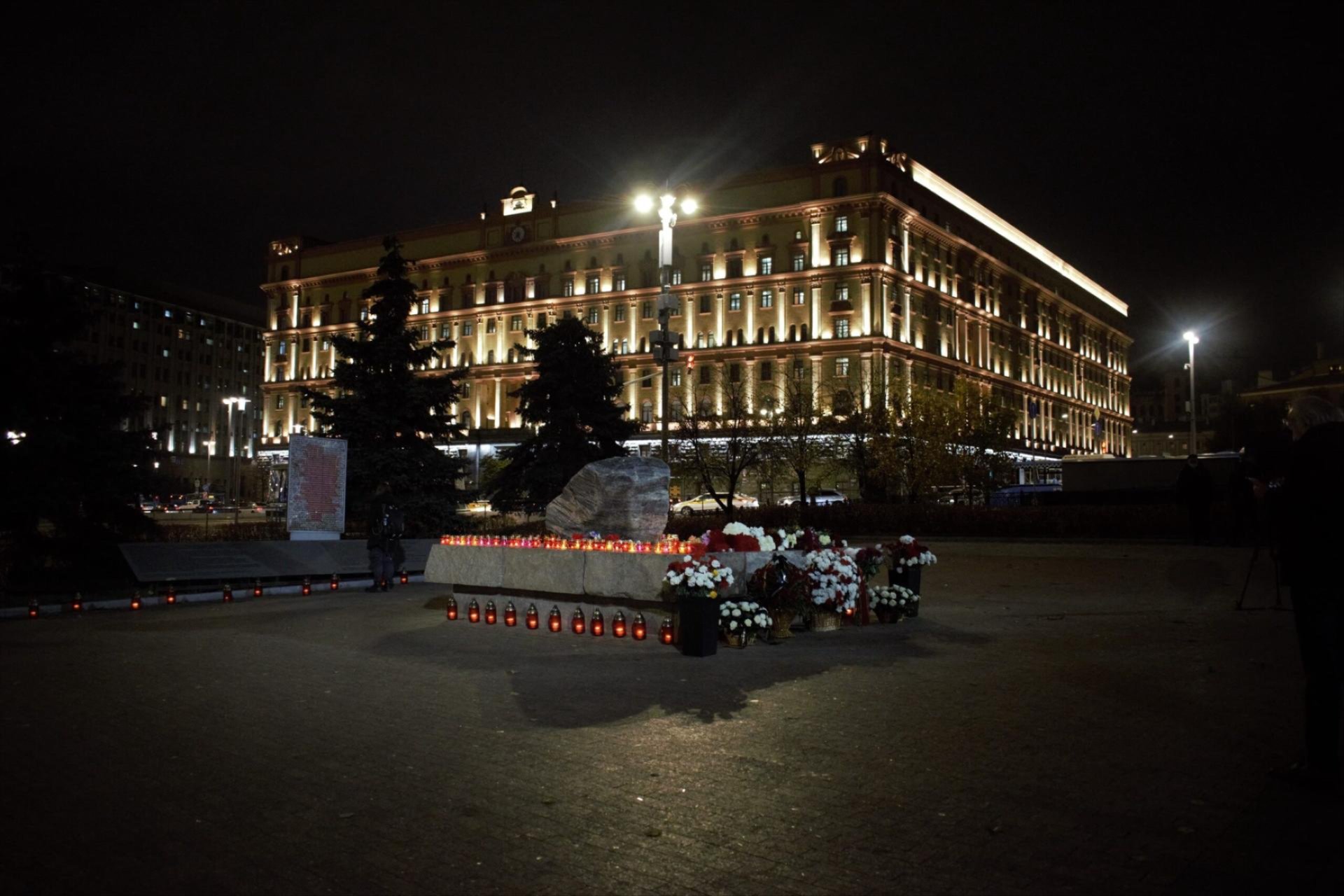
Returning the Names (Vozvrashchenie imen) started back in 2007 as a public ritual of memory organized by Memorial. Every year on October 29, people would gather at the Solovetsky Stone on Moscow’s Lubyanka Square — a memorial to people persecuted during the Soviet repression. There, they read aloud the names and stories of people executed under communist rule. One by one, participants stepped up to the microphone, spoke a few names, and laid flowers, symbolically giving a voice back to those the state had tried to erase from history. Over time, it became one of Russia’s most powerful expressions of collective memory: a quiet, moving ritual that brought thousands together, no matter their political beliefs.
|
|
|
Returning the Names in 2020 / Photo by Aglaya Gronas |
|
|
As repression in Russia grew tighter, especially after 2020, the authorities stopped approving the event: first blaming COVID restrictions, and later not even bothering to give a reason. But Memorial and the people behind the vigil refused to give up. They found new ways to keep it going: small readings during guided tours around sites of repression in different cities, and recorded name readings shared online. It was no longer about big crowds at the Solovetsky Stone. For many, reading the names became not just an act of remembrance, but also an opportunity to stand against what’s happening in Russia right now, as the number of political prisoners keeps rising.
|
After Russia’s full-scale invasion of Ukraine in 2022, Returning the Names spread far beyond Moscow and far beyond Russia. Those who had left the country began holding readings in cities across the world, from Buenos Aires to Seoul. What Memorial started as a local vigil became an institutionalised global ritual of memory. In 2024, the commemorations took place in over 140 cities across 50 countries, and this year, the organizers hope to take it even further.
|
|
|
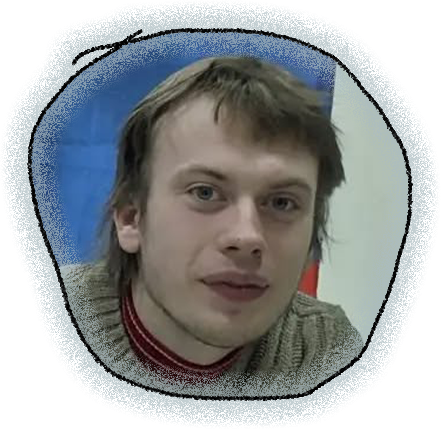
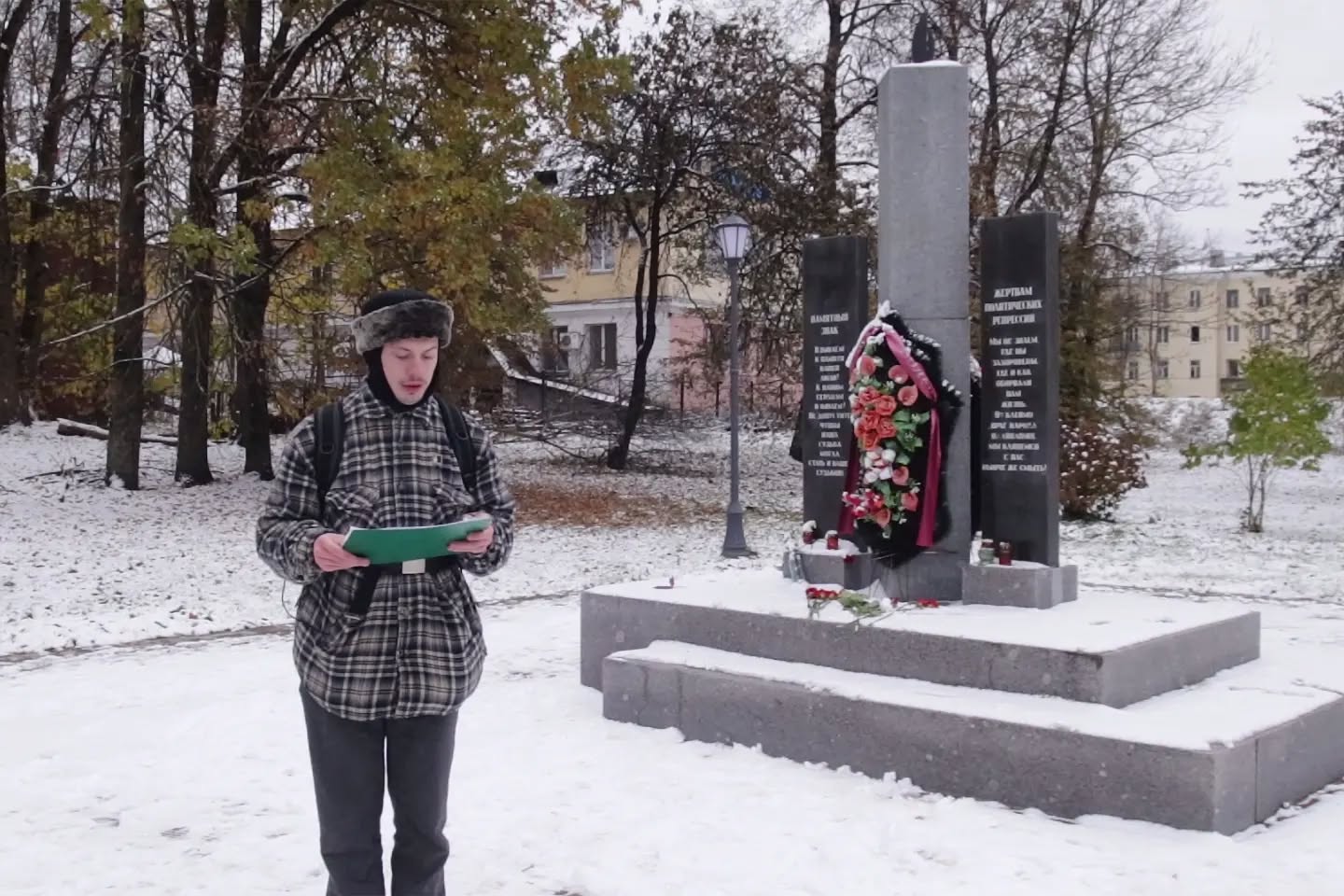
For this Digest I spoke with Mikhail Chimarov, 24, an exiled Memorial activist from Nizhny Novgorod, a major city in western Russia. Mikhail told me he always felt like an activist, “I always wanted to improve the environment around me”. In 2022, under the shadow of the full-scale invasion, Mikhail began organising a Memorial group in his hometown. Mikhail organized two Returnings of the Names in 2022 and 2023. |
|
Mikhail Chimarov / Photo: Mikhail’s social media |
|
|
As a part of Memorial, Mikhail was researching the history of repression in his region. He pored over texts in libraries and even visited KGB archives under the control of its successor the FSB. “It was uncomfortable,” he says “but it was worth it”. |
Mikhail often had to face Russian cops. During the 2022 Returning, he was pulled aside as he was wrapping up, and brought to the precinct for “a conversation”. Mikhail says that he “wants to believe that police care” about the historical memory of repression. “Memory is ok, just don’t start anything against the government” is how he sums up what the cops told him in 2022. |
Still, the Russian government continued to take an interest in Mikhail. In 2024 he was proclaimed a “foreign agent” — an arbitrary label the Kremlin slaps on anyone they don’t like. Mikhail’s designation claims he was “spreading gay propaganda”, because he organised a closed screening of movies by queer film directors. Even though the screening was clandestine, police were able to raid it, confiscating Mikhail’s electronics. |
|
|
Mikhail Chimarov at a Returning event in 2023 / Photo: Mikhail’s social media |
| |
In 2025 he left Russia because he “no longer felt safe” after new repressive regulations were introduced against foreign agents. He now helps set up Returning of the Names events in Armenia’s capital Yerevan. |
He believes that “civil society from democratic countries should help Russian civil society. Because we see how problems that start in Russia might eventually impact the whole world, as we see with this war”. Just like the hundreds of thousands of exiled Russian activists, Mikhail plans to continue his activism abroad. |
It is important to remember that activism is sadly impossible without financial support. Which is why today I call upon you to support OVD-Info and Memorial. Every bit counts. |
|
|
Please answer our questionnaire so we can better understand our audience! |
|
|
The Digest is created by OVD-Info, written by Dan Storyev, edited by Dr Lauren McCarthy |
OVD-Info English newsletter privacy policy: how we work with your data |
|
|
|