EXPLAINING THE STRUGGLE FOR HUMAN RIGHTS IN RUSSIA |
|
|
Hello and welcome back to the Digest. |
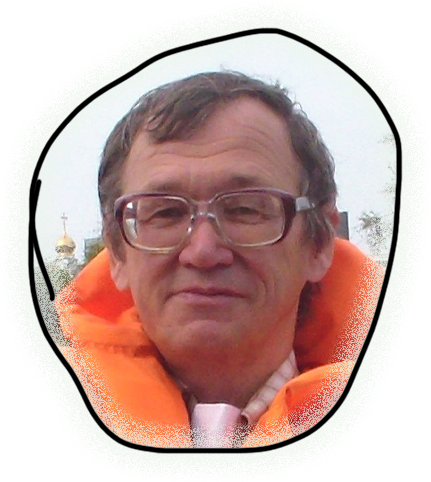
Today we’re profiling Sergei Maryin — an elderly civic activist persecuted for opposing the war. Apologies for missing the issue last week — we had some technical difficulties. |
In solidarity, Dan Storyev |
|
|
Donate to OVD-Info to keep us running |
|
|
Trigger warning:
This is a newsletter about Russian repressions. Sometimes it will be hard to read. |
|
|
The community of lay defenders in Russia is quite a unique one. Lay defenders or “community defenders” hold no degrees and are not lawyers — legally speaking. However, they can still participate in court proceedings and represent clients. In Russia, this is a diverse institution made up of hundreds of mostly unpaid rights defenders, each focusing on serving their community. We at OVD-Info used to hold extensive training sessions for lay defenders.
|
Today I am profilining a lay defender who may be considered an archetypal example of his creed, even though lay defenders are a very diverse bunch. Sergei Maryin is 69, he hails from Mordovia. Mordovia is a small region in the western part of Russia, which has been historically populated by two Finno-Ugric peoples: the Erzya and Moksha. Out of either ignorance or carelessness the Russians designated the two quite different peoples as a single group — the Mordvins — and the exonym stuck as the name for the entire region.
|
Sergei worked as a geologist until retiring in the small village Sengileyka in the 2000s. In 2002 his two sons were jailed over a fight with neighbours and in 2003 his third youngest son was jailed over a sexual assault case. Sergei himself believes that the charges were trumped up by the local police who didn’t like his family. Representing his sons in court was the beginning of Sergei’s lay defender career. He even managed to bring the youngest’s sentence down from 5 to 3 years. The two sons sentenced for a brawl ended up serving 6 years.
|
|
|
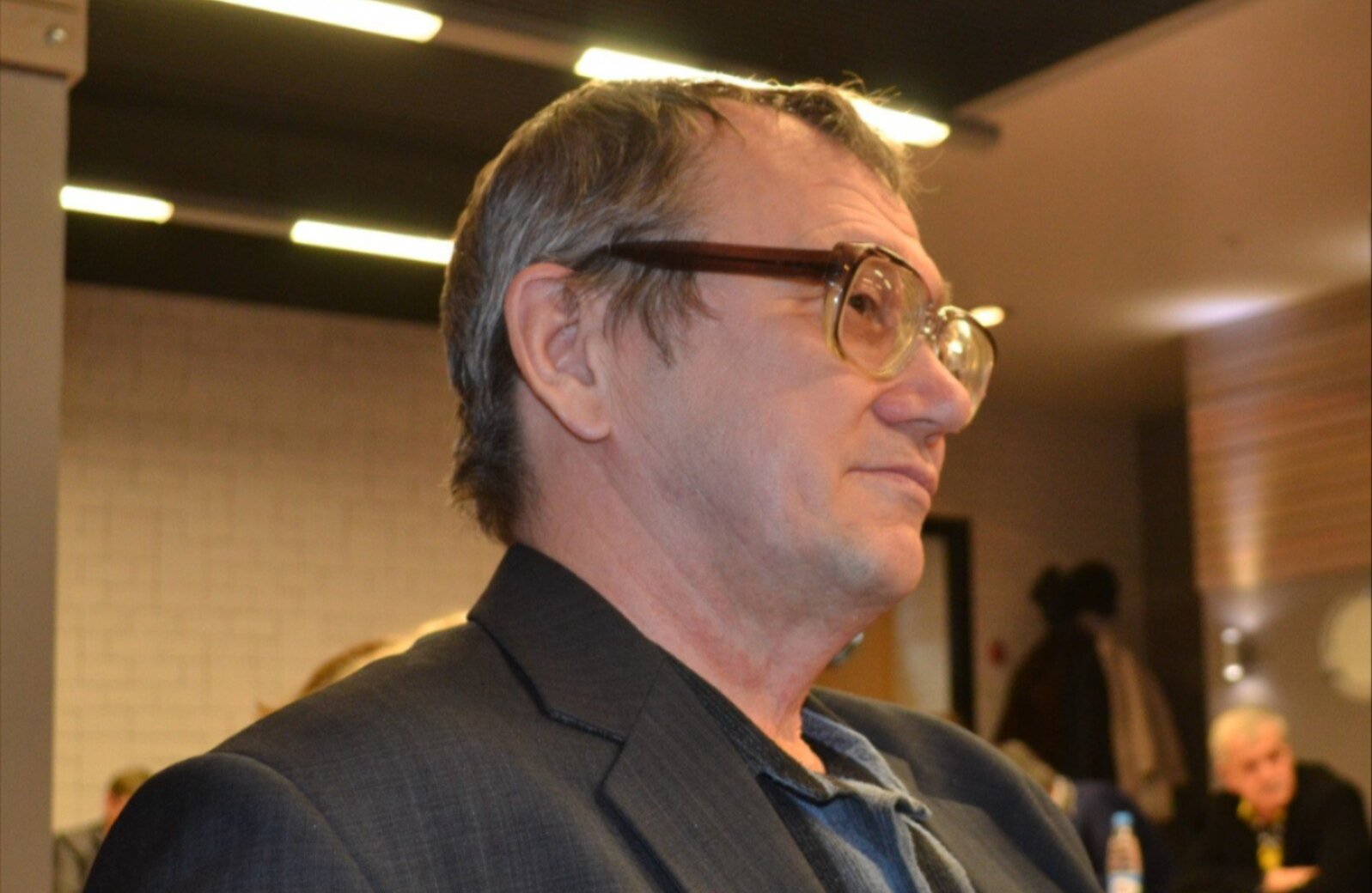
Sergei Maryin / Courtesy photo |
|
|
While in prison, the sons got the word around that their dad was interested in lay defense: “somehow it happened that they made connections there, and sometimes someone asked me to defend them. And I got involved,” Sergei recalls. |
|
|
In 2005, he moved from the village to the regional capital Saransk to have more opportunities to engage in human rights protection. Sergei began to independently study the law, read legal journals and specialized books, and familiarize himself with court decisions and resolutions of the Supreme Court Plenum. He set aside one day a week to visit the courts, where he observed the work of lawyers and judges: “I would sit from 9 am until lunch and listen to all the cases in a row.”
|
Sergei cooperated with numerous NGOs and foundations, getting legal “observer” status allowing him to visit prisons. There he developed a reputation for being a principled and dedicated defender.
|
“When [prisoners] call and write to me, they say: the prison guards know you, they are afraid of you, they scold you; but we turn to you because we believe that you can do something,” Sergei says. |
| |
According to Sergei, people have started contacting him less frequently in recent years, and with age Sergei himself has less energy for human rights work. He currently receives 3–5 requests a month. Sergei notes that reports of violence in local jails continue to come in regularly — about once a month. |
The defender says that the situation in Mordovian colonies and pretrial detention centers has worsened over the years: “At the beginning of my work, I could still go to the head of the prison, talk to him calmly, sometimes even convince him of something. Although at the same time he knew that I was writing complaints against him, and that I was appealing to the European Court of Human Rights. But it was possible to talk. Now there is almost no conversation with anyone.”
|
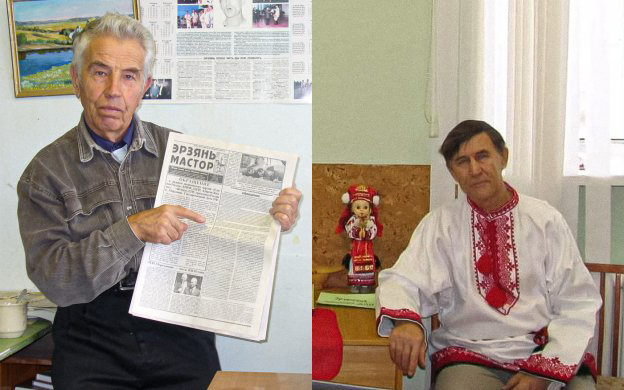
Sergei never shied away from politics. Recently he took up a case of two Erzyan men who were being tried for participation in an extremist community, which carries a hefty sentence. 90-year-old Nuyan Vidyaz (Yevgeny Chetvergov) and his nephew, 76-year-old Yogan Minka (Mikhail Chetvergov) fought to preserve the Erzya language and culture. According to the FSB, they sought to create an independent Erzyan state and secede from Russia.
|
|
|
Right: Nuyan Vidyaz (Yevgeny Chetvergov) / Photo: Erzianj jurnalist., Wikimedia Commons / CC BY-SA 3.0
Left: Yogan Minka (Mikhail Chetvergov) / Photo: Social media
|
|
|
According to Sergei, “they are trying to judge them for their beliefs. For the idea that a people should preserve its language, should preserve its culture, should preserve itself.” |
After the breakout of the full-scale war Sergei began holding solitary pickets in support of Ukraine and posting online about his activism. In July of 2024 security forces broke into his house with a sledgehammer and confiscated all of his electronics.
|
The court proceedings that followed after are notable for the prosecution’s choice of experts and witnesses. The two court experts, a psychologist and a linguist, prepared an argument that accused Sergei, among other things, of not capitalising “Putin”. Sergei’s lawyer recounts that one of the experts nearly fainted in court when asked to elaborate on his assessment.
|
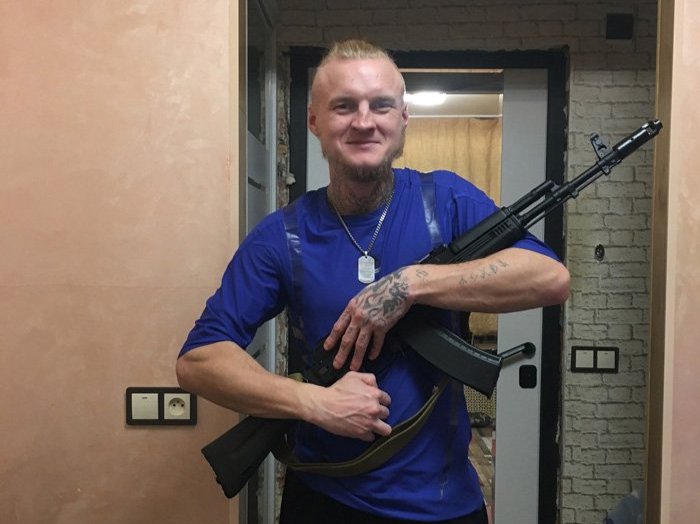
As for the witnesses, only one out of two appeared in court and turned out to be a self-avowed ultranationalist skinhead with a penchant for Slavic swastikas, guns and neo-paganism. |
|
|
Witness for prosecution Yevgeniy Pankratov / Photo: Social media |
|
|
In his speech in court Sergei Maryin didn’t hold back: “For me, Putin is associated with death, including that of Alexei Anatolyevich Navalny, who the authorities consider a foreign agent, terrorist and extremist.” During the sentencing, the court initially intended to ban Sergei from the internet indefinitely. During the proceedings he posted: “the prosecutor asked to deprive me of internet access. No, no, it would be better to shoot me right away, give me ten years without the right to correspondence, rather than without the ability to communicate.”
|
On March 25, Judge Aleksey Konyashkin sentenced the 69-year-old human rights activist to a year in a penal colony with a two-year ban on administering websites and publishing on the internet after his release.
|
This is a rewrite of the longer Russian article on our website |
|
|
Please answer our questionnaire so we can better understand our audience! |
|
|
Sources cited in the reading list are not necessarily aligned or in a formal partnership with us. It is just what the editor finds interesting. |
|
|
The Digest is created by OVD-Info, written by Dan Storyev, edited by Dr Lauren McCarthy |
OVD-Info English newsletter privacy policy: how we work with your data |
|
|
|